
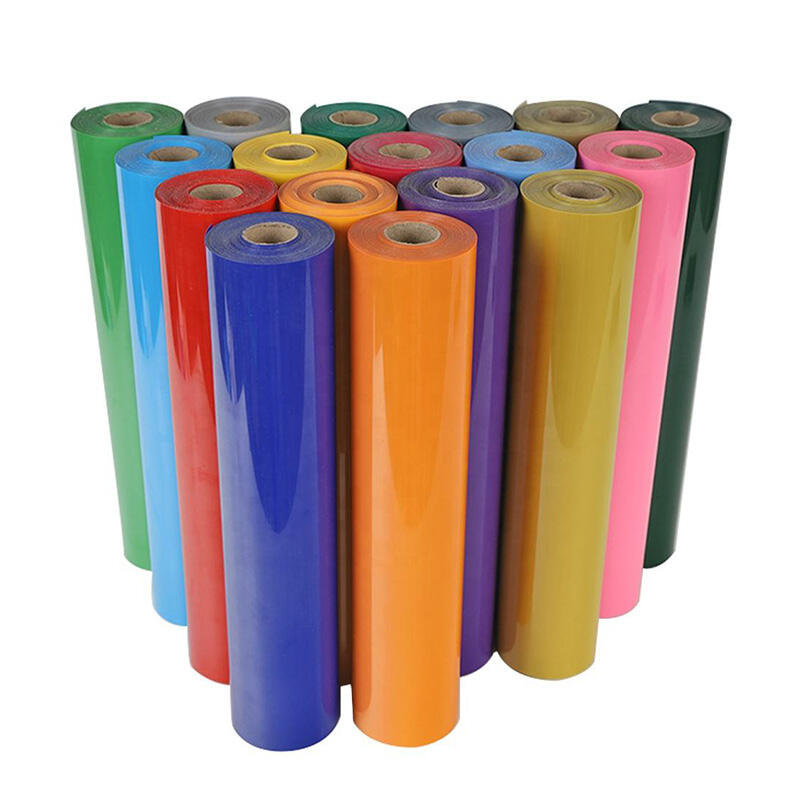
In the world of printing, businesses and individuals have a range of options to choose from, primarily traditional printing and Printable Self adhesive Vinyl s. Both methods have their unique advantages, and understanding the differences between them is essential for selecting the right one based on your specific needs. Whether you’re printing promotional materials, business documents, or custom products, each printing technology offers distinct features that cater to different requirements. Let’s dive into the key differences and help you decide which is the best option for your project.
1. Traditional Printing: The Classic Approach
Traditional printing encompasses methods such as offset printing, flexographic printing, and screen printing. These techniques have been in use for decades and are still highly relevant for many large-scale printing applications.
-
Offset Printing: This method involves transferring an image from a metal plate to a rubber blanket, and then to the printing surface. Offset printing is typically used for high-volume jobs such as books, magazines, and brochures.
-
Flexographic Printing: Often used for packaging materials, flexography involves printing with fast-drying inks on a variety of surfaces, including plastic and cardboard.
-
Screen Printing: Widely used for apparel and promotional items, screen printing uses a mesh screen to transfer ink onto the substrate.
Advantages of Traditional Printing
-
Cost-Effective for Large Runs: Traditional printing methods, especially offset printing, become more cost-efficient as production volumes increase. This makes it ideal for large-scale production runs, where setup costs are spread over a large number of prints.
-
Superior Quality and Color: For projects requiring precise, high-quality images or consistent color reproduction (e.g., fine art prints or corporate branding), traditional printing offers a level of detail and consistency that is difficult to match.
-
Wide Range of Materials: Traditional printing can work with a variety of substrates, including paper, plastic, metal, and fabric, making it versatile for different industries.
Disadvantages of Traditional Printing
-
Longer Setup Time: Traditional printing methods often require complex setup processes, including preparing plates or screens. This can be time-consuming, especially for small runs or custom projects.
-
Limited Flexibility for Customization: Once the setup is complete, making changes to the design or print run can be expensive and time-consuming.
-
Higher Initial Costs: The upfront investment for traditional printing equipment and materials can be significant, making it less ideal for small businesses or short-run jobs.
2. Digital Printing: The Modern Alternative
Digital printing, which includes inkjet and laser printing, has revolutionized the printing industry by offering a more streamlined and versatile approach to printing. In this method, designs are sent directly from a digital file to the printer, eliminating the need for physical plates or screens.
Advantages of Digital Printing
-
Lower Setup Costs: Digital printing does not require the expensive setup that traditional printing methods do, making it an excellent choice for small runs, custom projects, or test prints.
-
Quick Turnaround: Because there are no physical plates to create, digital printing allows for faster turnaround times, making it ideal for urgent or time-sensitive projects.
-
Highly Customizable: With digital printing, it’s easy to personalize each print with unique designs or text. This makes it perfect for applications such as direct mail campaigns, custom t-shirts, and photo prints.
-
Lower Waste: Since digital printing does not require setup plates, there’s less waste produced, which can be more environmentally friendly for small runs.
Disadvantages of Digital Printing
-
Higher Cost per Unit for Large Runs: While digital printing is cost-effective for small quantities, the cost per unit increases as the volume goes up. For large production runs, traditional printing methods often become more economical.
-
Limited Material Options: Digital printing generally works best on paper or basic synthetic materials, limiting its versatility for printing on a wide variety of substrates.
-
Color and Quality Limitations: While digital printing technology has advanced considerably, it may still not match the color consistency and image quality offered by traditional methods, especially for high-end print jobs.
3. Which Is Right for Your Needs?
The choice between traditional and digital printing largely depends on the scale, complexity, and nature of your printing project.
-
For Large-Scale, High-Volume Projects: Traditional printing (especially offset) is the way to go. If you're printing thousands of copies of a magazine, catalog, or brochure, traditional methods are more cost-efficient in the long run due to their lower cost per unit.
-
For Small Runs or Custom Projects: If you need to print a limited number of pieces or have personalized designs (e.g., customized t-shirts, one-off prints), digital printing is the more cost-effective and faster option.
-
For Specialty Applications: If you’re printing on non-paper materials (e.g., fabrics, plastics, or packaging), traditional printing methods like screen printing or flexography may be better suited to your needs.
Conclusion
Both traditional and digital printing systems offer unique advantages depending on the project requirements. Traditional printing excels in high-volume, large-scale projects with high-quality demands, while digital printing shines in flexibility, speed, and customization. By assessing your specific printing needs, you can make an informed decision that aligns with your budget, timeline, and quality expectations.