
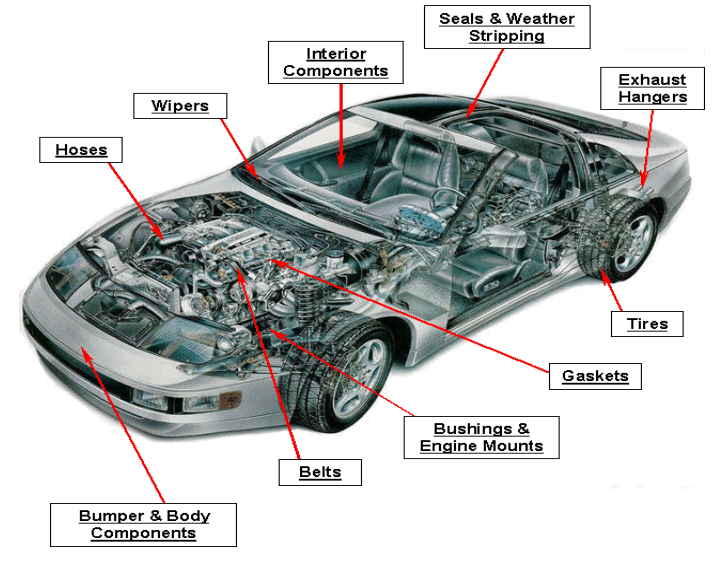
Cars are intricate machines with a vast array of components that work together to ensure the vehicle operates efficiently, safely, and smoothly. From the engine to the wheels, every part plays a crucial role in the overall functionality of the car. Whether you're a car enthusiast, a first-time car owner, or someone just trying to understand the mechanics behind your vehicle, knowing the key 汽車零件 and how they work can help you appreciate the complexity of modern automobiles. In this article, we’ll explore the essential parts of a car and their respective roles.
1. The Engine: The Heart of the Vehicle
The engine is arguably the most important part of the car. It’s responsible for converting fuel into mechanical energy, which powers the vehicle. Engines generally come in various types, such as gasoline, diesel, and electric, but the traditional internal combustion engine (ICE) is still the most common in many vehicles.
- Cylinders: The combustion process happens in the cylinders, where the air-fuel mixture ignites, creating power.
- Pistons: These move up and down within the cylinders, converting the energy from combustion into mechanical motion.
- Crankshaft: This component turns the pistons' vertical motion into rotational force, which ultimately powers the wheels.
- Timing Chain/Belt: These components synchronize the engine's valves with the pistons' movements for smooth operation.
2. Transmission: The Gearbox that Controls Power Flow
The transmission controls the power generated by the engine and directs it to the wheels. It allows the car to shift gears, adjusting the engine’s output depending on the speed or torque needed.
- Manual Transmission: The driver shifts gears manually using a clutch pedal and gear stick.
- Automatic Transmission: The car automatically changes gears depending on the vehicle’s speed, making driving easier.
- Dual-Clutch Transmission: Combines the efficiency of manual and automatic transmissions by using two clutches to allow for faster and smoother gear changes.
3. Battery: The Electrical Power Source
The battery is responsible for providing the electrical power necessary to start the engine and power the car's electrical components, such as lights, air conditioning, and infotainment systems.
- Lead-Acid Battery: The most common battery type in traditional cars, it provides a high burst of energy to start the engine.
- Lithium-Ion Battery: Found in electric vehicles (EVs), offering a longer-lasting and more energy-efficient alternative to lead-acid batteries.
4. Suspension System: Comfort and Handling
The suspension system is a critical part of ensuring your car handles rough roads smoothly and provides comfort to passengers. It connects the car’s frame to the wheels and absorbs shocks caused by uneven surfaces.
- Shock Absorbers: These components absorb the force from bumps in the road to prevent excessive movement and stabilize the car.
- Springs: Springs support the car's weight and help absorb shocks, preventing the vehicle from bouncing excessively.
- Control Arms: These connect the wheels to the frame of the car and allow for smooth suspension movement.
5. Brakes: Ensuring Stopping Power
Brakes are a vital part of the car’s safety system, ensuring that the vehicle can slow down or stop when needed. The braking system uses friction to reduce the speed of the wheels.
- Disc Brakes: Most modern cars use disc brakes, where brake pads press against the disc (rotor) to generate stopping power.
- Drum Brakes: Typically found on older vehicles or as rear brakes, drum brakes use brake shoes inside a drum to create friction.
- ABS (Anti-lock Braking System): This system prevents the wheels from locking during emergency braking, allowing the driver to maintain steering control.
6. Cooling System: Preventing Overheating
The cooling system helps maintain the engine’s operating temperature by dissipating heat produced during combustion. An overheating engine can lead to severe damage, which is why a functional cooling system is crucial.
- Radiator: The radiator cools down the coolant, which absorbs heat from the engine.
- Coolant: A liquid that circulates through the engine to absorb heat and then travels to the radiator to release it.
- Water Pump: The pump circulates coolant through the engine and radiator to maintain an optimal temperature.
7. Exhaust System: Emissions Control and Noise Reduction
The exhaust system channels gases produced by combustion away from the engine and reduces harmful emissions. It also helps make the car run quieter by controlling engine noise.
- Exhaust Manifold: This component collects exhaust gases from the engine’s cylinders and directs them into the exhaust system.
- Catalytic Converter: It reduces harmful gases like carbon monoxide and nitrogen oxides into less harmful substances like carbon dioxide.
- Muffler: The muffler helps reduce noise created by the engine’s exhaust gases.
8. Fuel System: Storing and Delivering Fuel
The fuel system is responsible for storing and delivering fuel to the engine for combustion. A malfunctioning fuel system can lead to poor performance or engine failure.
- Fuel Tank: This is where the gasoline or diesel is stored until it’s needed by the engine.
- Fuel Pump: The pump sends fuel from the tank to the engine.
- Fuel Injectors: These inject a fine mist of fuel into the combustion chamber for optimal combustion.
9. Lights and Indicators: Visibility and Communication
Lights are crucial for safety, ensuring that you can see the road ahead and communicate your intentions to other drivers. Proper lighting is essential for night driving and in low visibility conditions.
- Headlights: These lights illuminate the road ahead, allowing the driver to see at night or in poor weather conditions.
- Turn Signals: Indicators used to let other drivers know your intention to change lanes or turn.
- Brake Lights: These lights alert other drivers when you are slowing down or stopping.
10. Tires and Wheels: Traction and Stability
Tires and wheels are the contact points between the car and the road. Proper tire maintenance is crucial for safety, as they provide the traction needed for braking, steering, and accelerating.
- Tire Tread: The pattern of grooves on the tire that provides traction and helps channel water away to prevent hydroplaning.
- Wheel Rims: The metal part of the wheel that holds the tire in place. It connects to the vehicle's axle and suspension.
11. Steering System: Controlling the Direction
The steering system allows the driver to control the direction of the car. It converts the driver's input into movement in the wheels.
- Steering Wheel: The primary interface between the driver and the vehicle’s steering system.
- Rack and Pinion: This gear mechanism converts the rotational movement of the steering wheel into linear motion, turning the wheels.
- Power Steering: A system that reduces the effort needed to turn the steering wheel, making it easier to maneuver, especially at low speeds.
12. Climate Control System: Comfort Inside the Car
The climate control system, including air conditioning and heating, regulates the temperature inside the car. It ensures comfort for the driver and passengers no matter the external weather.
- Air Conditioner Compressor: Compresses refrigerant and circulates it through the system to cool the cabin.
- Heater Core: Uses engine heat to warm the air inside the car during colder months.
- Blower Motor: Blows the cooled or heated air into the car’s cabin.
13. Windshield Wipers: Ensuring Clear Visibility
Windshield wipers are essential for visibility during rain, snow, or other adverse weather conditions. They keep the windshield clear of water and debris, ensuring you can see the road.
- Wiper Blades: The rubber strips that move back and forth across the windshield to clear away water.
- Windshield Washer Fluid: A liquid sprayed onto the windshield to help clean it and remove grime.
Conclusion: Maintaining Your Car’s Essential Parts
Understanding the key components of your car helps you appreciate the complexity of modern vehicles and provides valuable insights into how they work. Regular maintenance and keeping an eye on potential issues can help you prevent costly repairs and extend the life of your vehicle. Whether you're looking to become more knowledgeable about car maintenance or simply curious about how your vehicle operates, knowing these essential car parts is a great starting point for any car owner.