
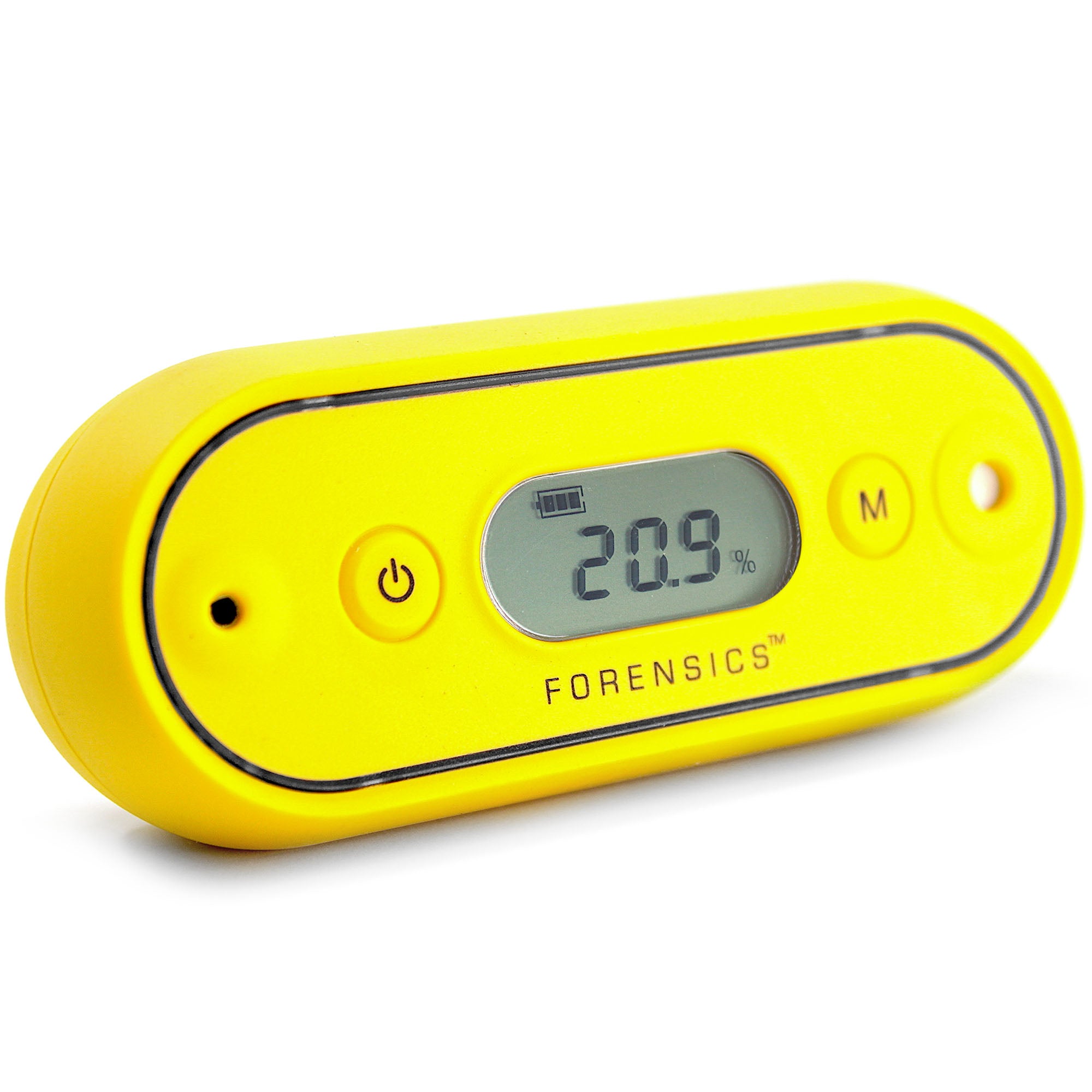
In an era where heavy-duty safety and situation monitoring are dominant, gas detectors and gas analyzers play a material role in safeguarding both man wellness and operational efficiency. These are obligatory in various settings, from manufacturing plants and laboratories to human activity areas and exterior environments. Understanding their functionalities, applications, and advancements can help industries and individuals make enlightened decisions about their use.
What Are Gas Detectors and Gas Analyzers?
Gas detectors are premeditated to place the presence of unsafe gases in an environment. They typically run by detective work particular gas concentrations and alerting users to vulnerable levels. On the other hand, gas analyzers ply detailed entropy about the writing and of gases within a try, offering insights into the chemical make-up of the or processes.
Types and Functions of Gas Detectors
Gas detectors come in several types, each tailored for particular applications. The most common types let in:
-
Single-Gas Detectors: These are studied to notice a one type of gas. They are often used for subjective refuge in unsafe environments where exposure to a particular gas is a bear on, such as in restrained spaces or areas with known gas leaks.
-
Multi-Gas Detectors: These devices can detect manifold gases simultaneously. They are particularly useful in industries like minelaying or oil and gas, where to various hazardous gases is a risk. Multi-gas detectors are weaponed with sensors for gases such as carbon monoxide(CO), H sulfide(H2S), oxygen(O2), and combustible material gases.
-
Fixed Gas Detectors: Installed at specific locations, these detectors incessantly monitor gas levels and are usually used in industrial settings. They cater real-time data and can be integrated with horrify systems to alert personnel office in case of gas leaks.
-
Portable Gas Detectors: These handheld devices are used for Mobile or temporary monitoring. They are necessary for fieldwork, response, and safety inspections.
Applications and Benefits
The applications of gas detectors are vast and varied. In heavy-duty settings, they are crucial for preventing accidents and ensuring compliance with refuge regulations. For instance, in petrochemical plants, gas detectors help in identifying leaks of dangerous substances like methane or atomic number 1 sulphide, preventing potency explosions and health hazards.
In residential settings, gas detectors are normally used to find cancel gas leaks, ensuring early word of advice and preventing potency disasters. Similarly, in laboratories, gas analyzers are exploited to measure and verify gas mixtures, ensuring precision and safety in experiments.
Gas Analyzers: Advanced Monitoring and Analysis
Gas analyzers volunteer a deeper pull dow of analysis compared to simple gas detectors. They cater elaborate information about the of various gases and can execute complex measurements and calibrations. There are several types of gas analyzers, including:
-
Infrared(IR) Analyzers: These use infrared emission get off to measure gas concentrations supported on the absorption of specific wavelengths. They are highly accurate and unremarkably used for detective work gases like carbon (CO2) and methane(CH4).
-
Electrochemical Analyzers: These measure gas concentrations by detective work the physical phenomenon currents produced by chemical substance reactions. They are often used for monitoring gases like O, carbon paper monoxide, and hydrogen sulfide.
-
Chemi-Luminescent Analyzers: These are used to notice N oxides(NOx) by mensuration the dismount emitted during a chemical response. They are material for situation monitoring and regulative submission.
Advancements and Future Trends
The area of gas signal detection and depth psychology is continually evolving. Recent advancements admit the of more medium and selective sensors, miniaturisation of devices for better portability, and desegregation with integer technologies for enhanced data depth psychology and remote monitoring.
The hereafter trends in détecteur de gaz SF6 detection and depth psychology are likely to focus on rising sensing element truth, reducing false alarms, and enhancing user interface and features. Innovations such as hurt gas detectors with IoT capabilities and hi-tech data analytics are set to inspire how we ride herd on and respond to gas-related refuge and state of affairs concerns.
Conclusion
Gas detectors and analyzers are necessity tools for maintaining refuge and across a wide range of applications. By understanding their types, functions, and advancements, industries and individuals can better protect themselves from dangerous gas and assure best performance in various environments. As engineering continues to throw out, these will become even more integral to our refuge and operational succeeder.